

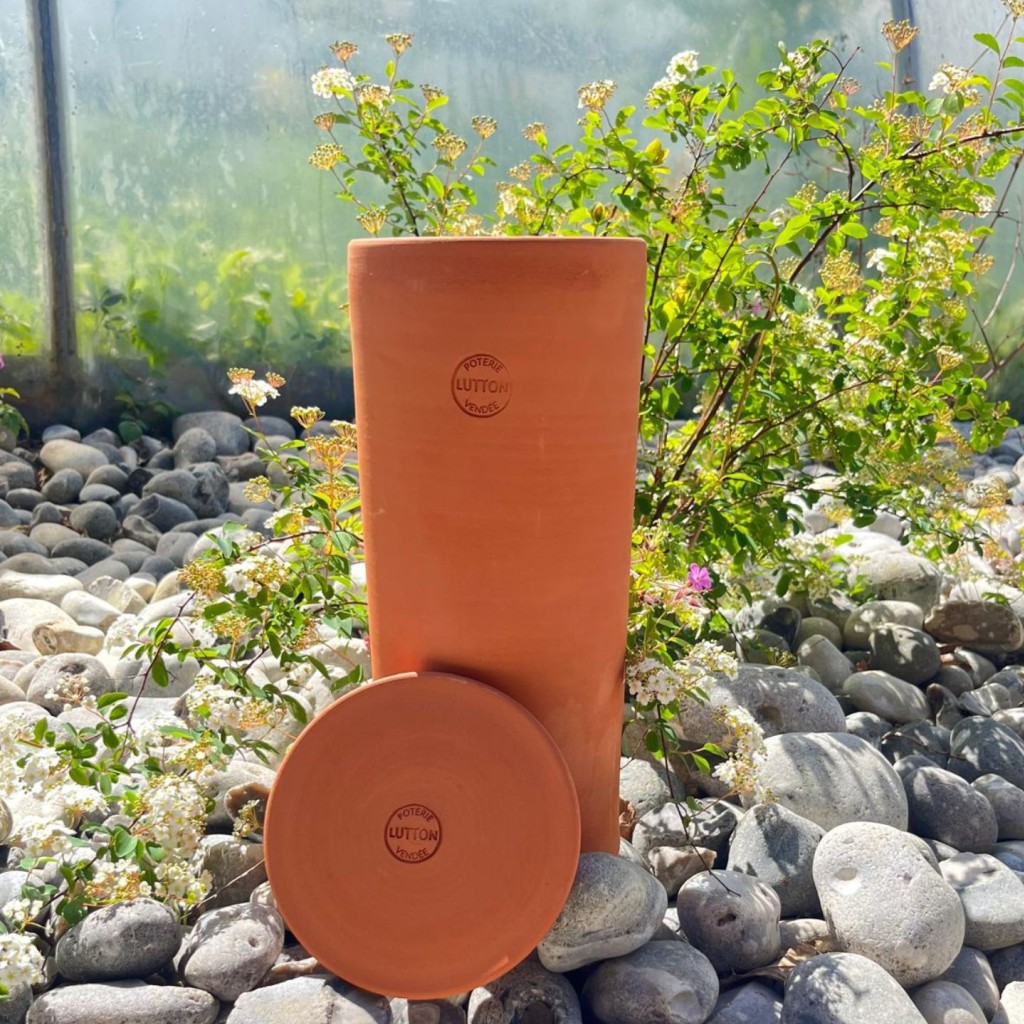
Even though temperatures are still low, February is a key month for preparing the year's vegetable garden. In permaculture and resilient gardening, it is the true starting point of the season. Early sowings, made indoors, in a greenhouse or in a cold frame, help you stay ahead of late frosts and gain a valuable head start on spring.
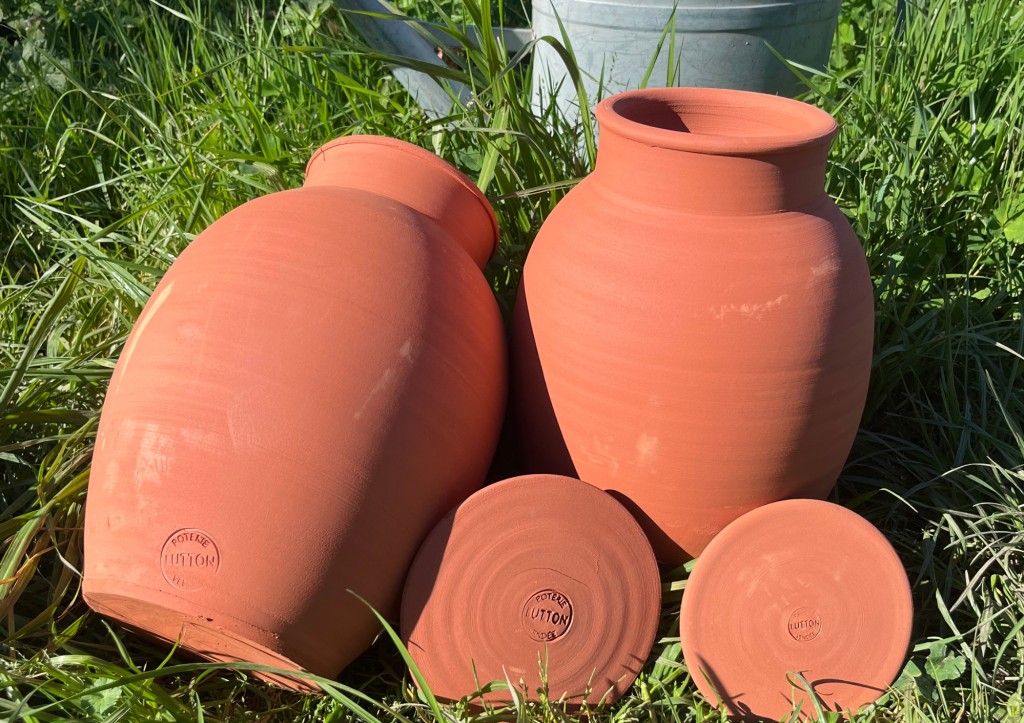
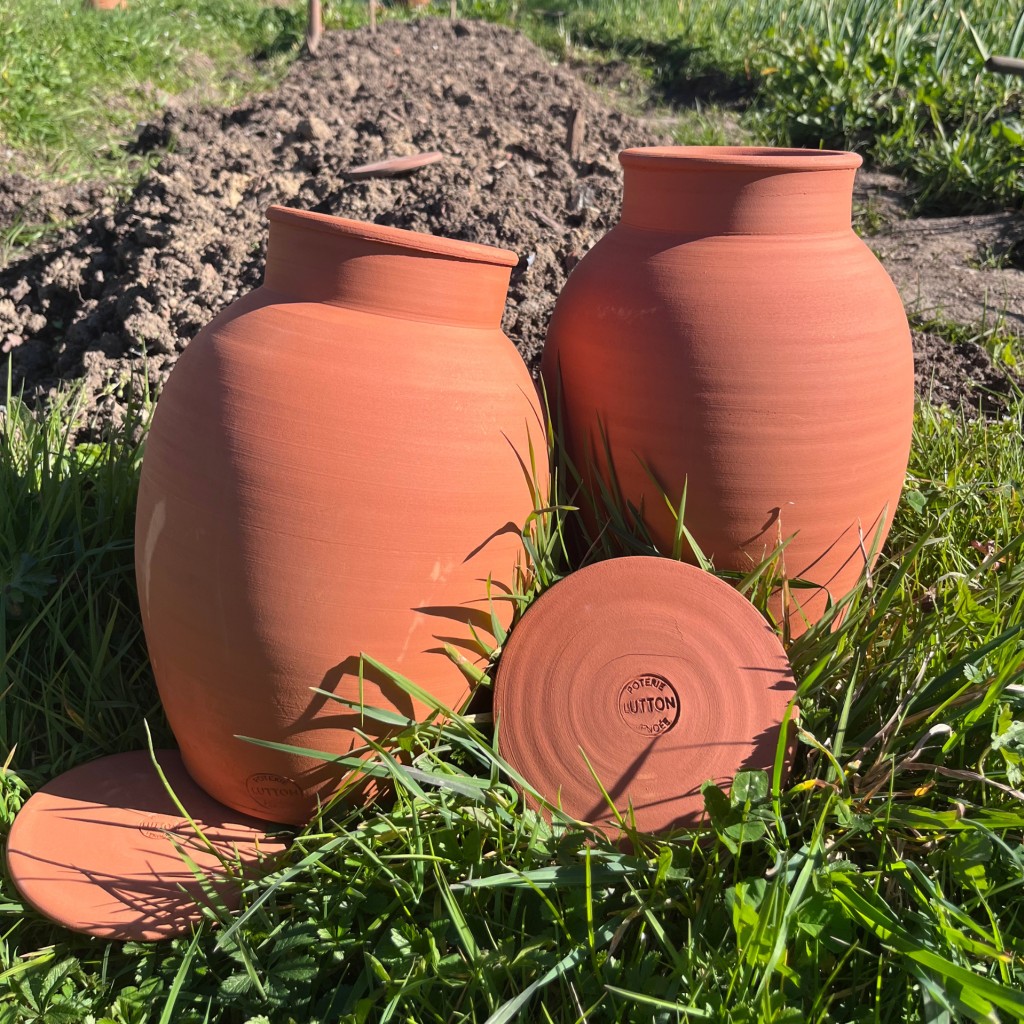
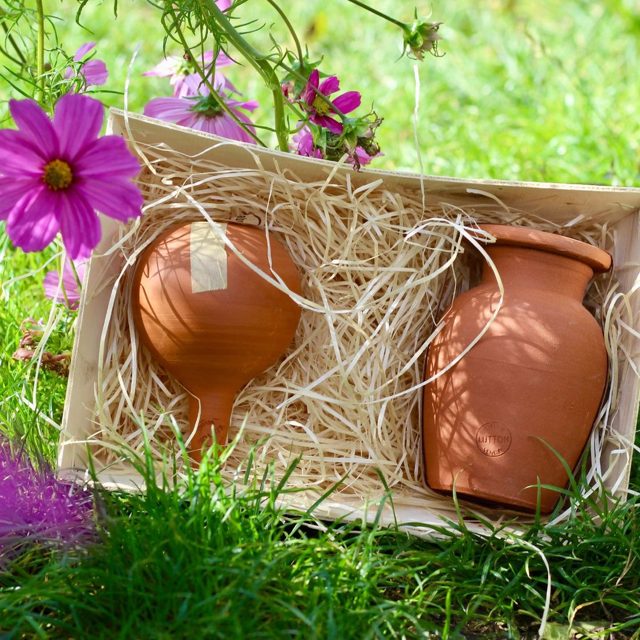
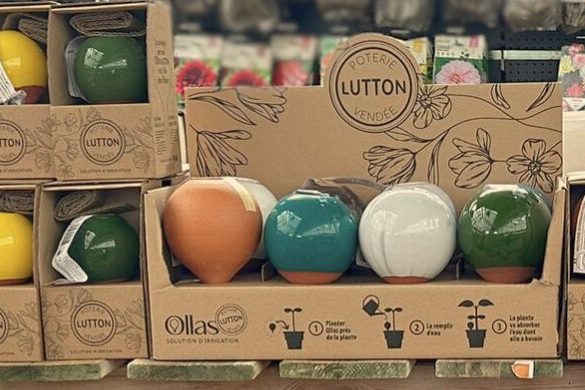
Buried ollas made of natural terracotta support this delicate phase by keeping moisture steady and under control, with no wasted water, even in confined spaces such as greenhouses, polytunnels or cold frames.
This practical guide is designed for the start of the 2026 season and takes current climate trends into account: sow early but under cover, and save water from the very first stages.
Essential jobs for February 2026
Sowing in the warm (indoors or in a heated greenhouse)
From February on, some vegetables are best sown under cover to produce strong, well-developed plants by spring:
- tomatoes
- bell peppers
- eggplants
- chili peppers
- basil
- celery
These early sowings will give you vigorous plants to set out in April–May.
Sowing under cold cover or in a cold frame
In a cold frame, polytunnel or unheated greenhouse, you can already sow:
- lettuces
- radishes
- spinach
- onions
- leeks
- cabbages
- fava beans
Remember to protect your crops from night frosts with row covers, cloches or a light mulch.
Early planting
Some crops can already be planted out:
- garlic
- shallots
- onions
- early potatoes
If frost is forecast, a row cover is recommended.
How Lutton ollas protect your seedlings from February on
In a cold frame or mini greenhouse, moisture levels can change very quickly. Too dry, and young plants wilt; too wet, and diseases such as downy mildew set in. Ollas create a stable microclimate around the roots, which is essential at the start of the season.
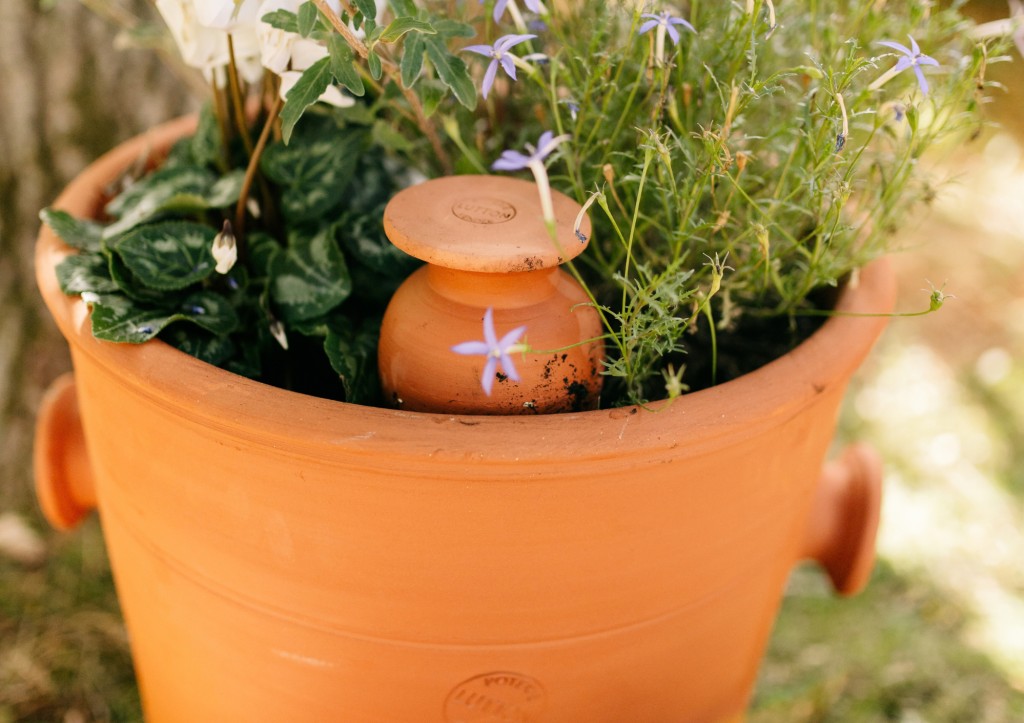
For seedlings in pots and trays
-
Ideal for lettuces, radishes and herbs, or even larger vegetables!
Buried up to its neck in the growing medium, it keeps plants watered for 5 to 7 days, even when you water less often.
For rows under a tunnel or cold frame
-
Perfect for fava beans, peas or onions.
Place one every 40 to 50 cm for steady water release without wetting the foliage.
A more resilient start from the end of winter
With just 2 to 4 ollas, your seedlings become more self-sufficient and sturdier:
- less watering by hand,
- constant moisture,
- roots encouraged to grow deep,
- and a 2 to 4 week head start on spring crops.
February is not a month for waiting, but for smart preparation: with the right support, your vegetable garden gets off to a strong and lasting start.