

Climate projections leave no room for doubt: July–August 2026 are breaking new heat records. Heat waves are becoming longer, more intense and more frequent. For the vegetable garden, the consequences are already well known: blistered tomatoes, bitter zucchini, lettuces bolting, and a daily watering chore that is often ineffective… and exhausting.
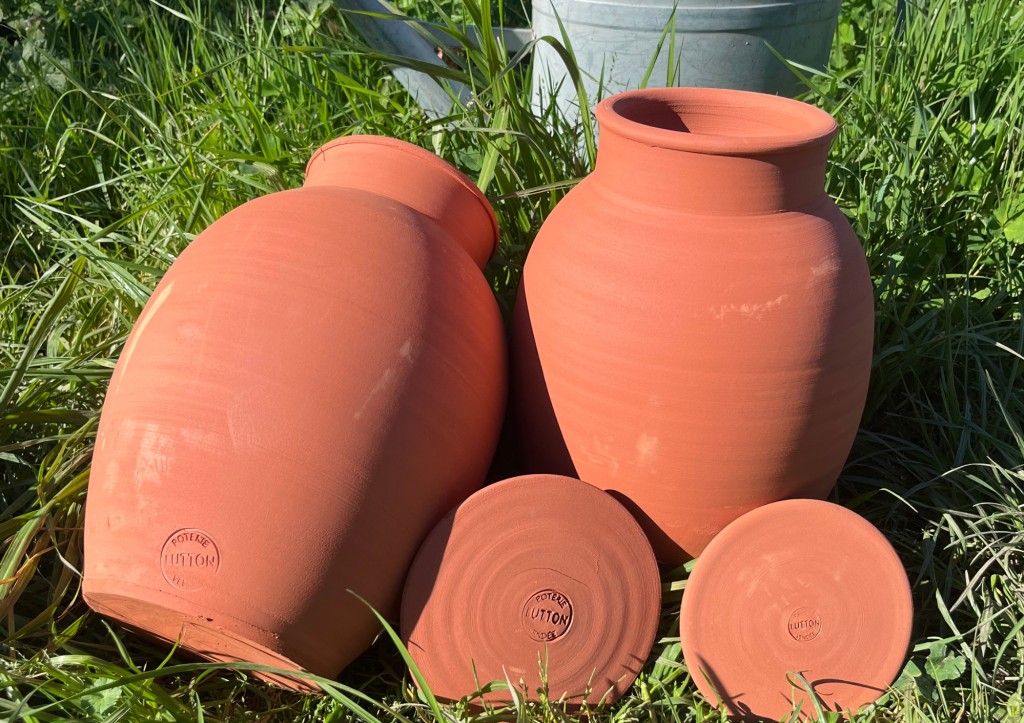
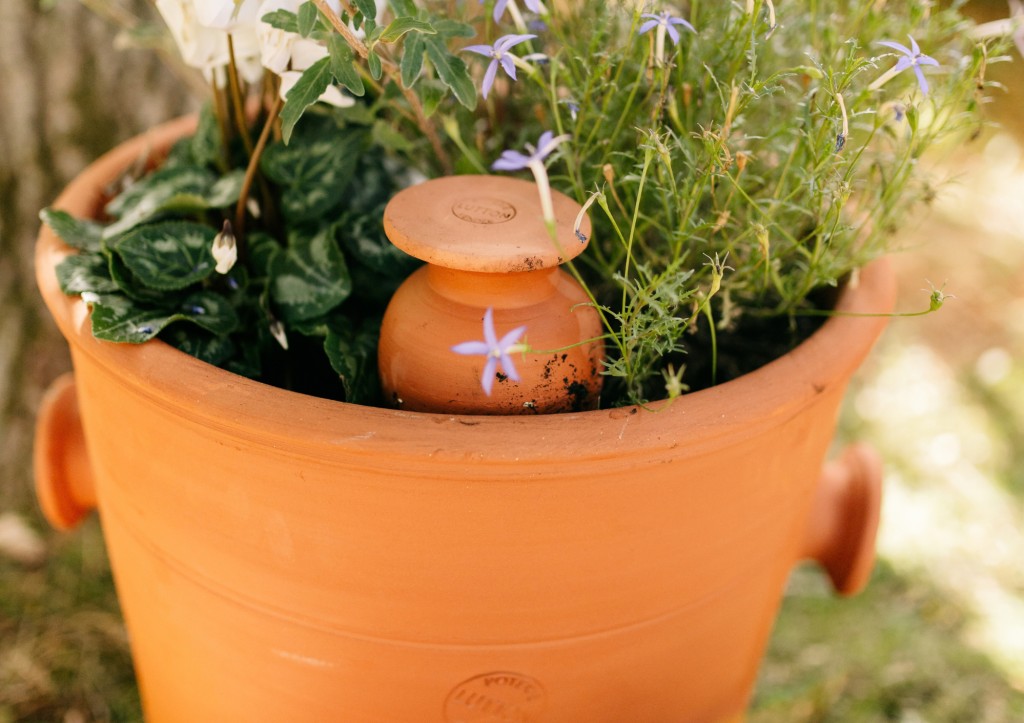
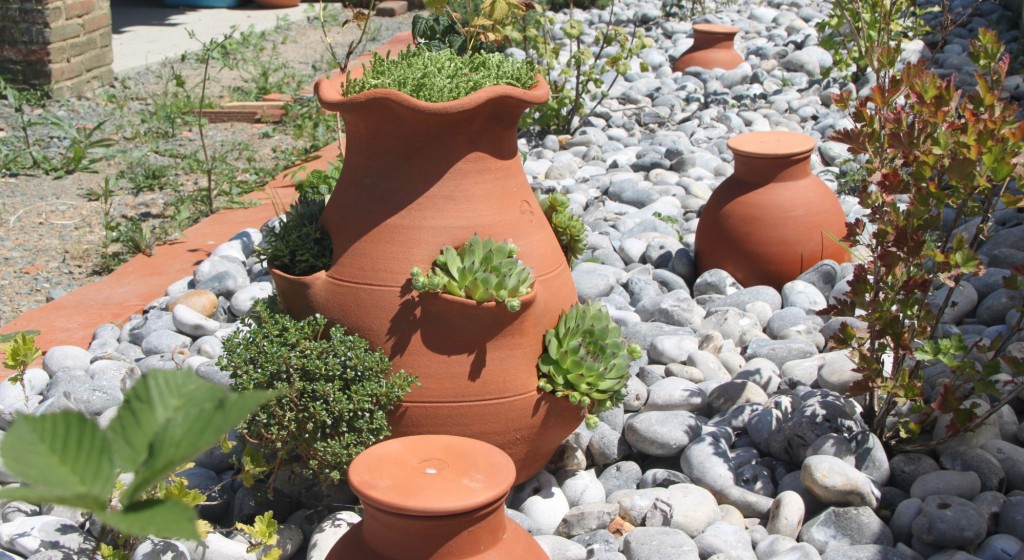
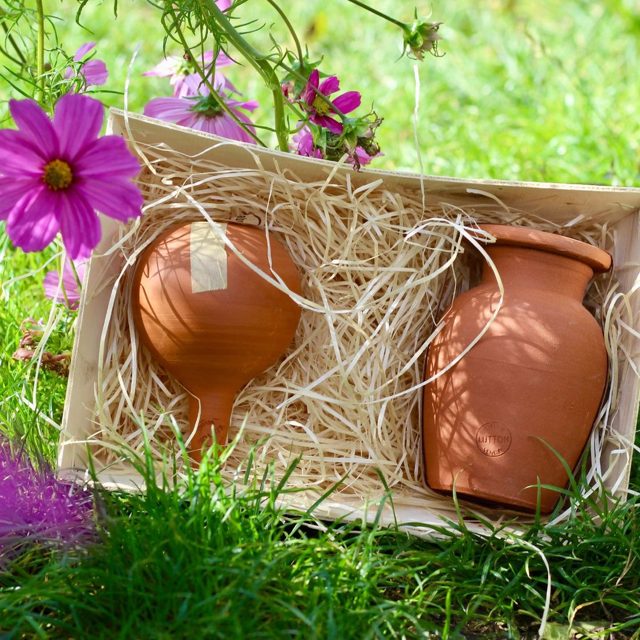
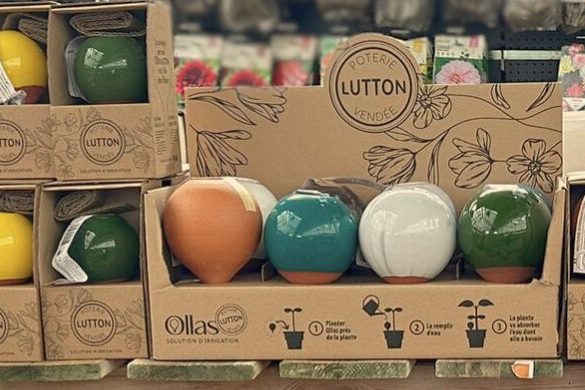
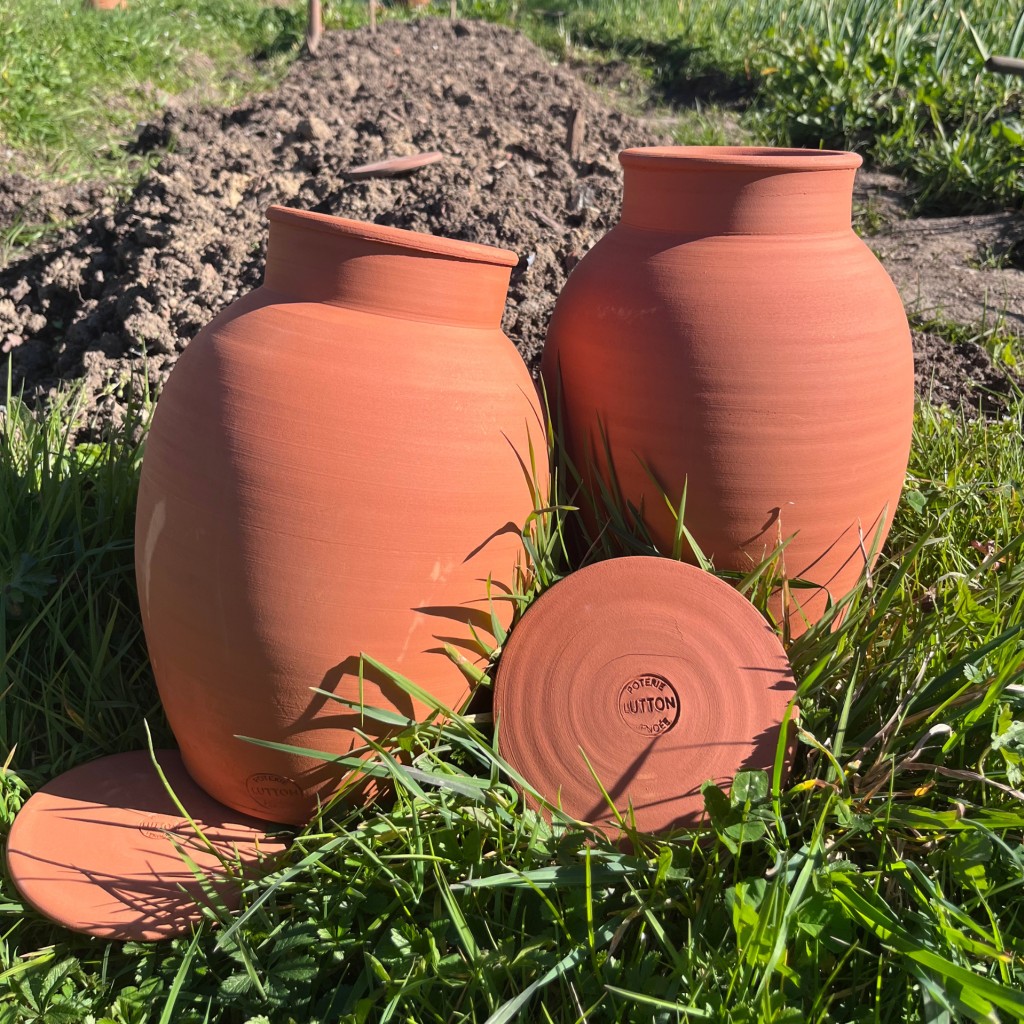
Faced with these extreme conditions, adapting the way you garden becomes essential. Lutton terracotta ollas offer a practical, lasting answer: self-regulating underground watering, with no evaporation, that keeps harvests plentiful even at 40 °C.
Why heat waves put the vegetable garden under strain
During periods of intense heat:
• Water applied at the surface evaporates within a few hours,
• The soil can exceed 45–50 °C, burning shallow roots,
• Plants close their stomata to protect themselves, which stalls their growth,
• Water stress makes vegetables more vulnerable to diseases and pests.
Watering more is no longer enough. You need to water differently, by protecting the soil and supplying the roots directly.
Lutton ollas: a key solution during heat waves
Buried deep in the soil, Lutton ollas release water slowly, and only when the soil dries out. The roots come looking for moisture where it is steady and cool.
In the height of summer, this means:
• Continuous watering without daily intervention,
• 2 to 4 weeks of autonomy depending on the size of the olla and the type of soil,
• Zero water on the foliage (fewer burns and diseases),
• Less stressed and therefore more productive plants.
Partial shade during the hottest hours
Even sun-loving plants appreciate a break:
• Put up shade cloth,
• Use reed screens or tall crops,
• Protect tomatoes and bell peppers, especially between 2 and 6 p.m.
The aim is not to deprive plants of light, but to reduce heat stress.
Choosing the right olla sizes
In summer, olla capacity makes all the difference:
• Thirsty crops (tomatoes, eggplants, bell peppers, zucchini)
Gardener Ollas from 8 to 12 L or Vegetable Garden Ollas of 4 L
Infrequent refilling, sometimes only every 2 to 3 weeks.
• Rows of vegetables (beans, cucumbers, late peas)
Tube Ollas from 3 to 6 L, spaced evenly along the rows.
Choosing the right size prevents swings in water supply, which cause split or bitter fruit.
Practical tips for summer 2026
• Always fill your ollas early in the morning or in the evening, when the soil is cooler.
• Check the lids: a covered olla limits evaporation and keeps mosquitoes out.
• Grow varieties known for their heat tolerance:
o ‘Sweet 100’ cherry tomatoes,
o Filet green beans,
o Amaranth,
o Basil, sweet potato or okra, depending on your region.
• Combine thick mulch + ollas: even if the soil surface reaches 40 °C, the temperature deeper down often stays around 25–28 °C, the ideal range for roots.
Visible results even in the middle of a heat wave
With 3 to 5 well-placed ollas, the benefits are clear:
• Juicy tomatoes, with no cracking,
• Zucchini that are not bitter,
• Greener, denser foliage,
• Watering reduced to a few refills over the whole summer,
• Zero water wasted.
Summer 2026 won't be any milder, but your vegetable garden can become smarter.
By combining Lutton ollas, generous mulching and well-judged shading, you turn a heat wave into a mere constraint… not a disaster.