
The climate trends are clear: spring 2026 (March to May) is already shaping up to be dry in many regions. Spring droughts are becoming more frequent, with scarce, irregular rainfall that is often not enough to support vegetable crops from the start.
To keep growing a generous vegetable garden without wasting water, planning ahead is essential. The most effective solution relies on a proven trio that works hand in hand:
Ollas + thick mulch + no-till growing.
This combination lets you plant tomatoes, zucchini, bell peppers, beans and other spring vegetables with up to 80% water savings from the very first weeks, while improving soil health and plant resilience.
Why is this trio ideal for spring 2026?
A thick mulch to retain moisture.
A 10 to 15 cm layer of mulch (ramial wood chips, straw, dead leaves, well-dried grass clippings) plays several key roles:
• it greatly reduces evaporation,
• it feeds the soil as it breaks down,
• it protects microbial life,
• it naturally slows weed growth.
Covered soil stays cooler, moister and more fertile, even in dry spells.
Ollas: targeted, smart watering
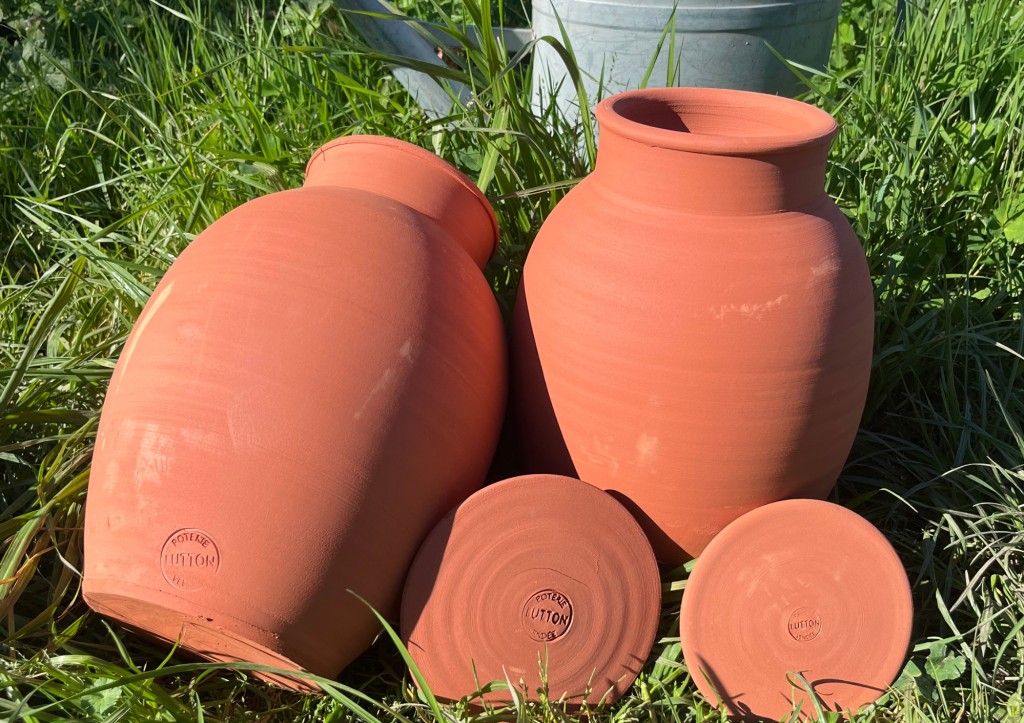
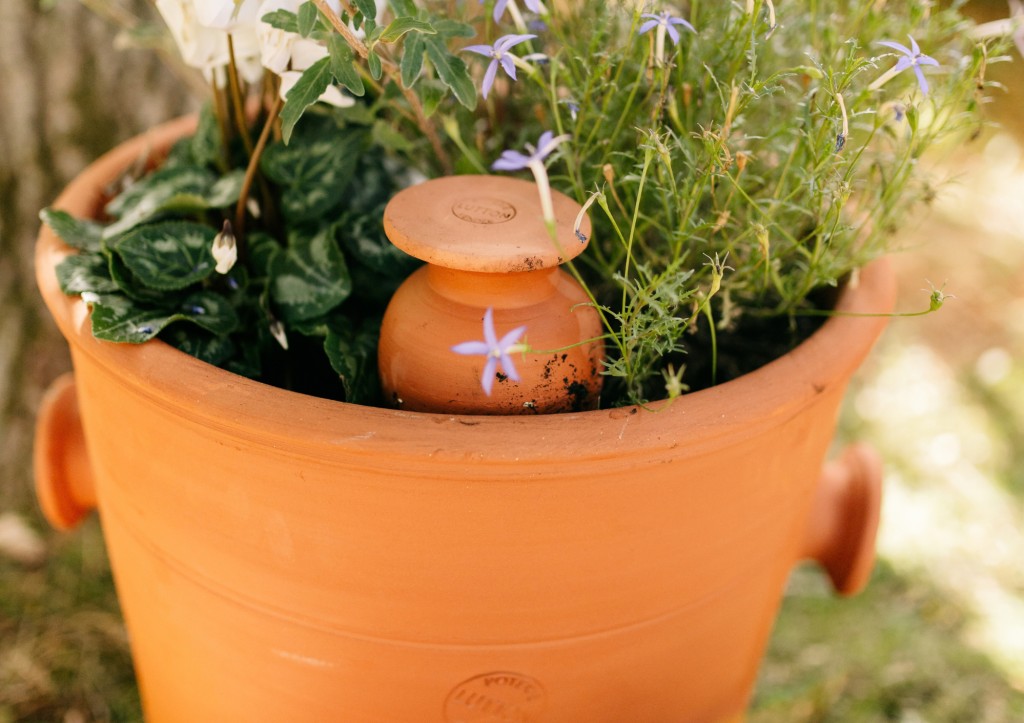
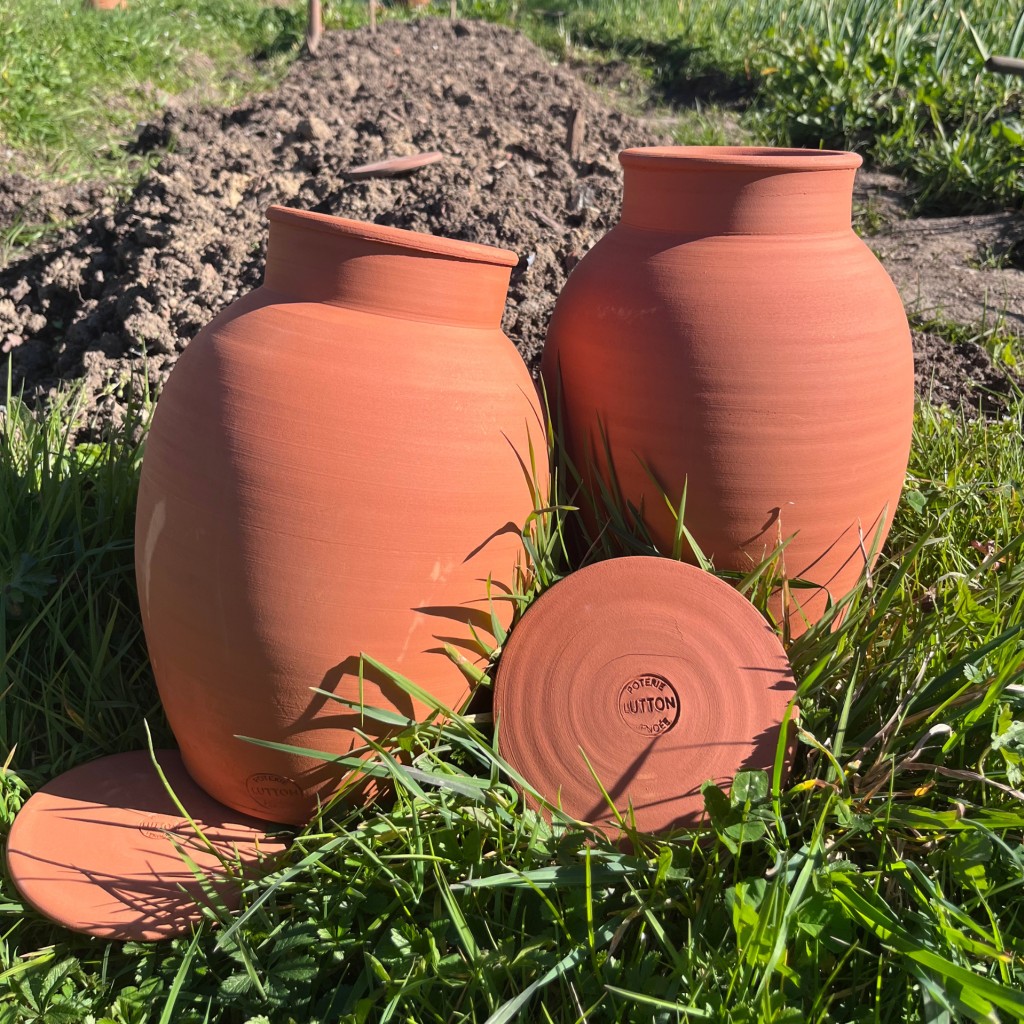
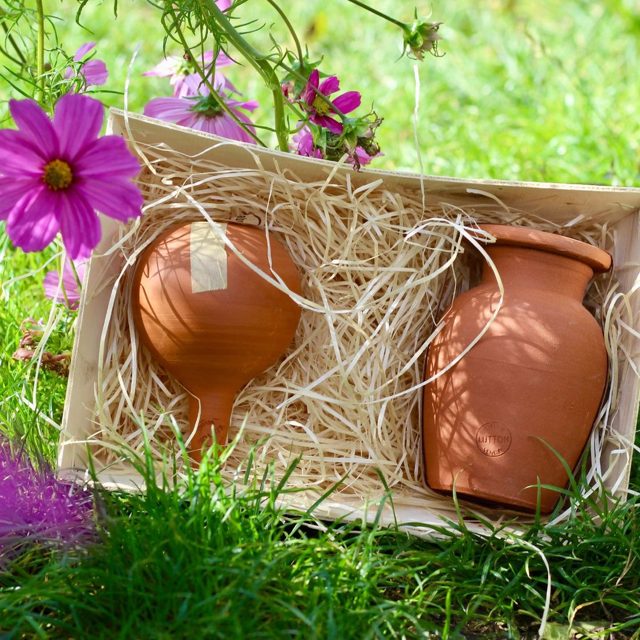
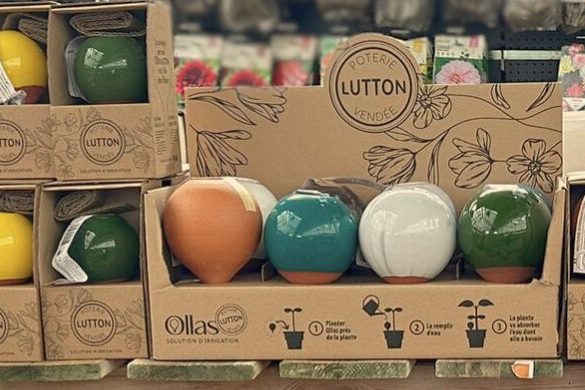
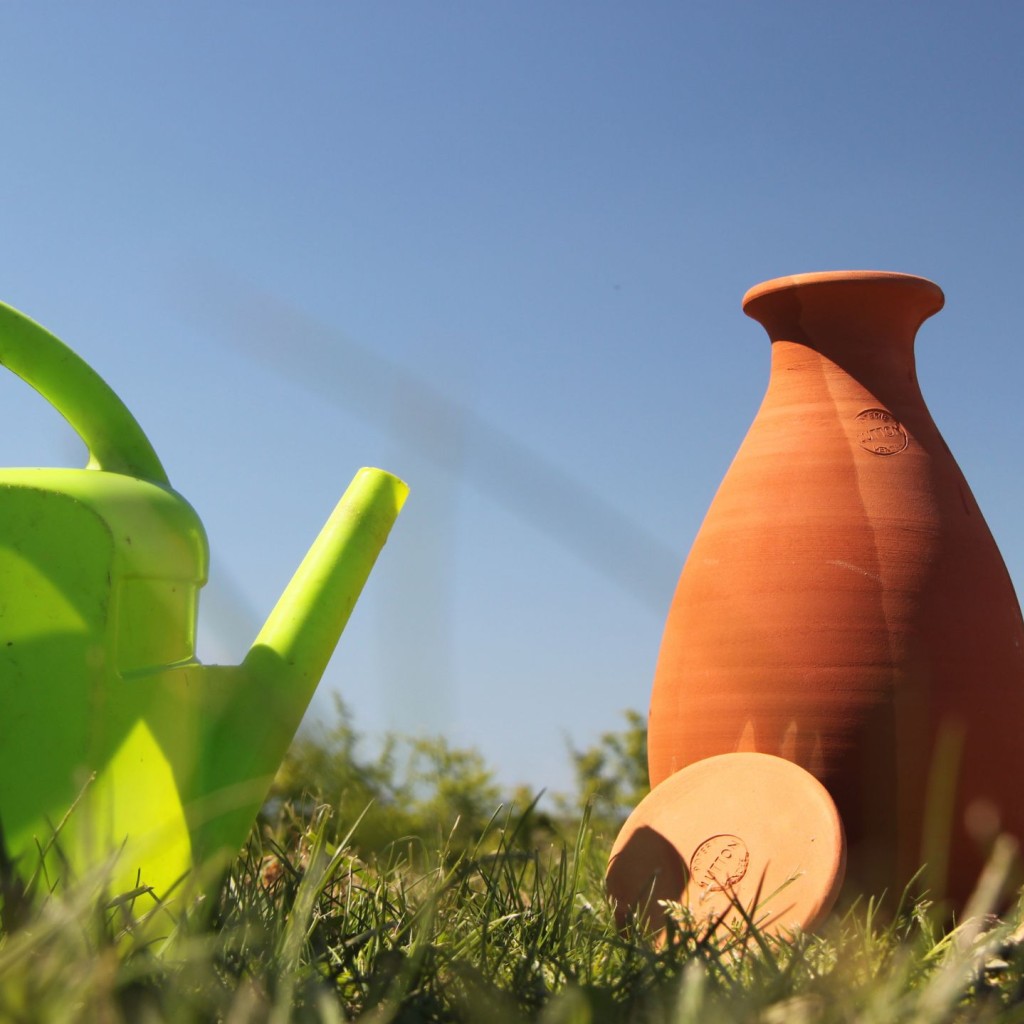
Buried as close to the crops as possible, terracotta ollas release water slowly, right at root level.
The result:
• no evaporation losses at the surface,
• no runoff,
• regular, self-regulating watering,
• plants that develop deep, sturdy roots.
It's the ideal way to water less, but better.
What is no-till: living soil that holds on to water?
No-till, or growing without working the soil, means not digging, turning or tilling the ground. The soil is left undisturbed to preserve its natural structure and all the life it contains.
In untilled soil:
• earthworms dig tunnels that improve aeration and water infiltration,
• mycelium (a network of fungi) carries water and nutrients to the roots,
• microorganisms turn organic matter into natural fertility.
The soil is always covered with mulch (straw, ramial wood chips, dead leaves, dry grass clippings), which shields it from the sun, limits evaporation and prevents erosion.
In practice, you plant directly into the mulch or push it slightly aside to sow, without ever disturbing the soil layers.
Why is no-till essential in the face of drought?
Untilled soil acts like a living sponge:
• it holds water better,
• it dries out more slowly,
• it makes plants more self-sufficient and more resistant to water stress.
Combined with ollas and a thick mulch, no-till greatly reduces watering needs while improving the health of the vegetable garden over the long term.
Visible results from the very first weeks
When you combine ollas, thick mulch and no-till, the benefits come quickly:
• more vigorous plants,
• fewer diseases (no water on the foliage),
• steady growth even in dry spells,
• soil that improves naturally season after season.
Preparing for spring 2026 means choosing a vegetable garden that is more self-sufficient, more resilient and far more water-efficient!