



March means renewal in the garden. The days are getting longer, temperatures are turning milder, and nature is coming back to life. It's the perfect time to prepare your vegetable garden or plan your garden layout. Here are some practical tips and tricks for a successful start.
1. Prepare the soil: the key to a good start
Before planting anything, take care of your soil to give your future crops the best possible conditions:
- Clear the ground: remove weeds, dead leaves and other debris that built up over the winter.
- Loosen the soil: use a digging fork to aerate the soil without turning it over completely.
- Enrich the soil: work in well-rotted compost to provide essential nutrients.
2. Plan your crops: getting organized
A well-planned vegetable garden means abundant harvests:
- List what you'd like to grow: crunchy radishes, juicy tomatoes, vitamin-packed spinach...
- Think about crop rotation: avoid planting the same vegetables in the same spot from one year to the next.
- Take sunlight into account: keep the sunniest spots for sun-loving plants.
3. Sowing and planting: what to do in March?
March offers a wide range of possibilities:
- Outdoors, in open ground: radishes, spinach, peas.
- Under cover: tomatoes, zucchini, bell peppers.
Choose organic seeds for environmentally friendly growing.
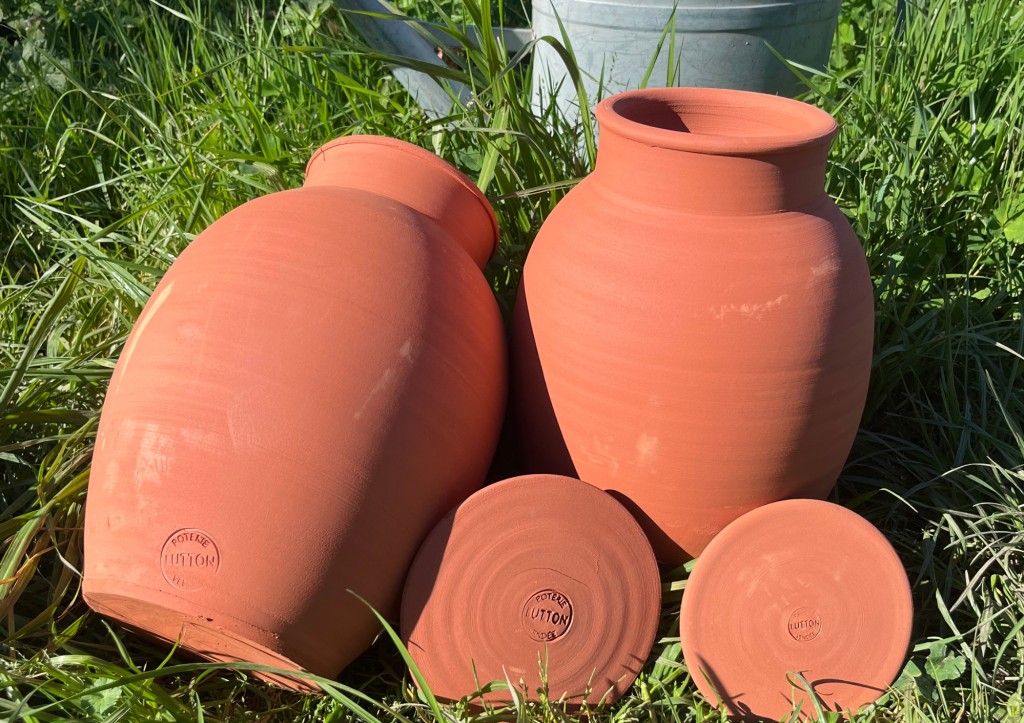
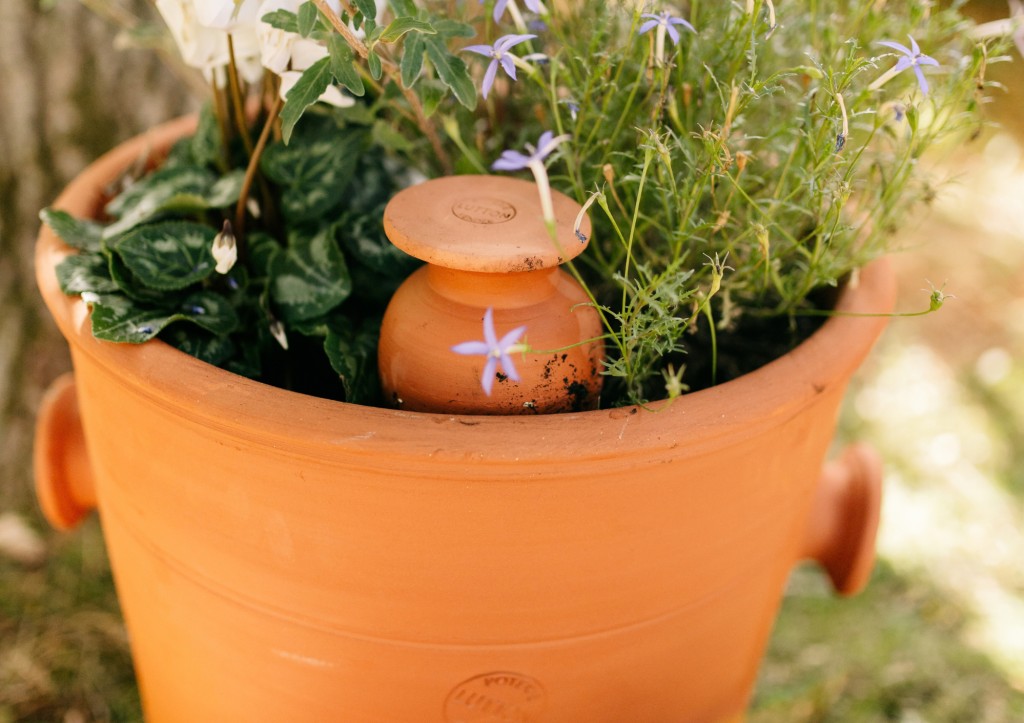
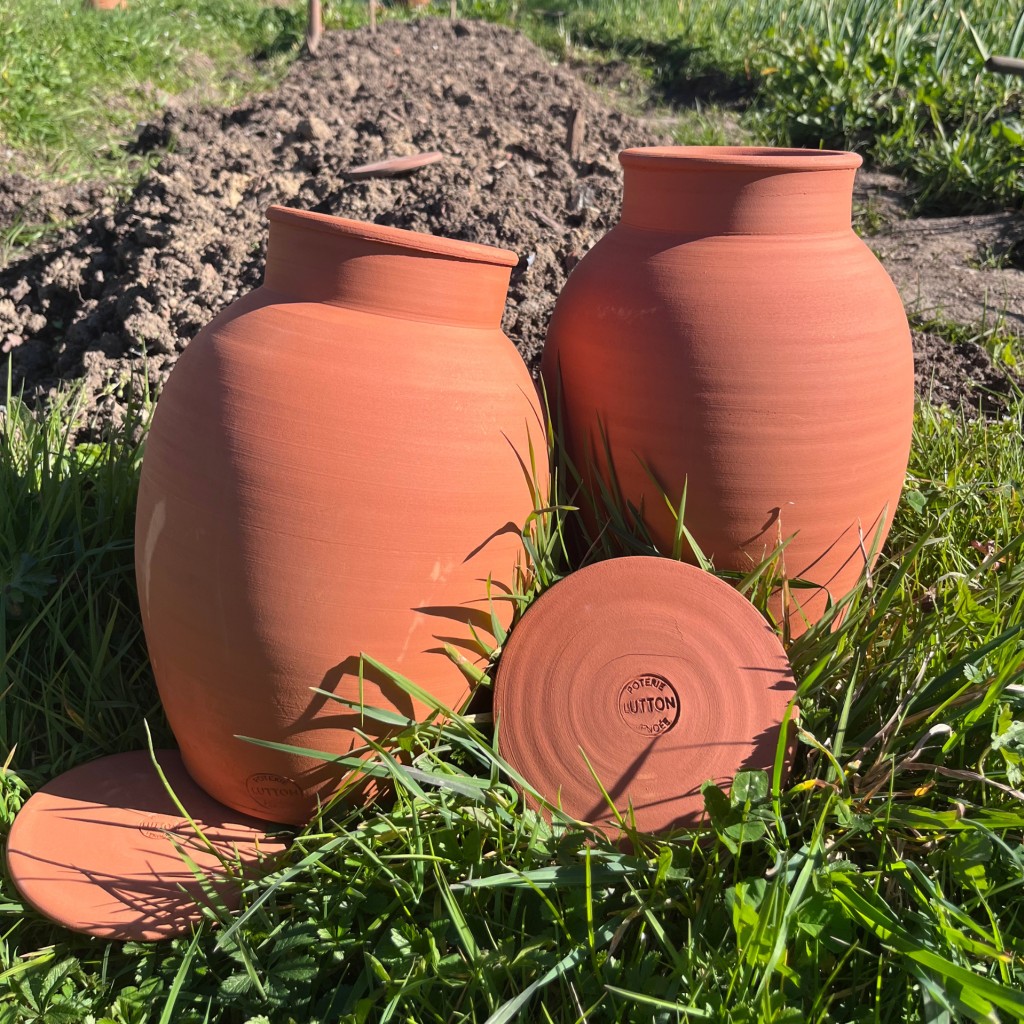
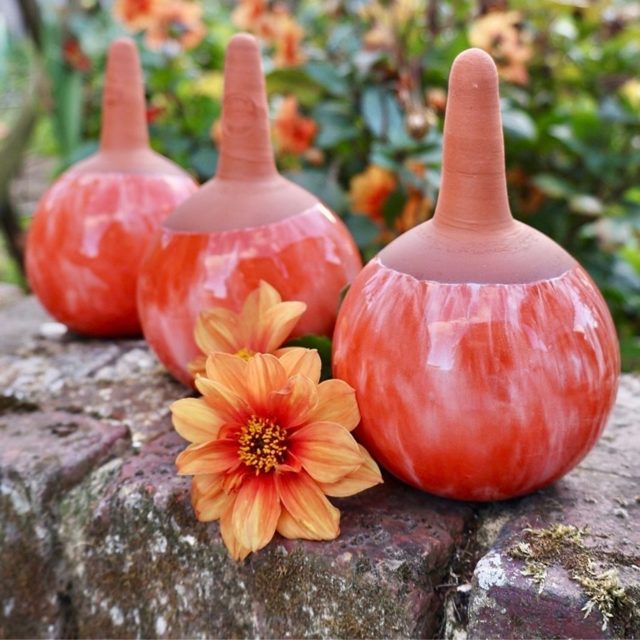
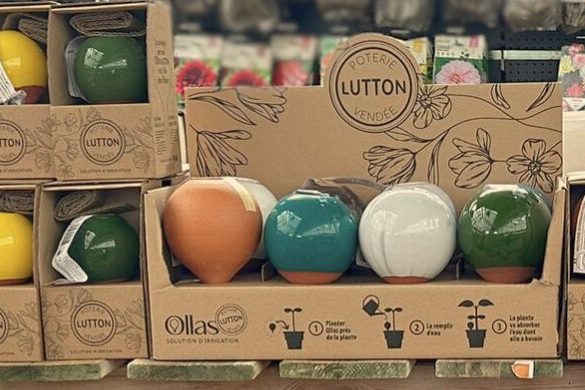
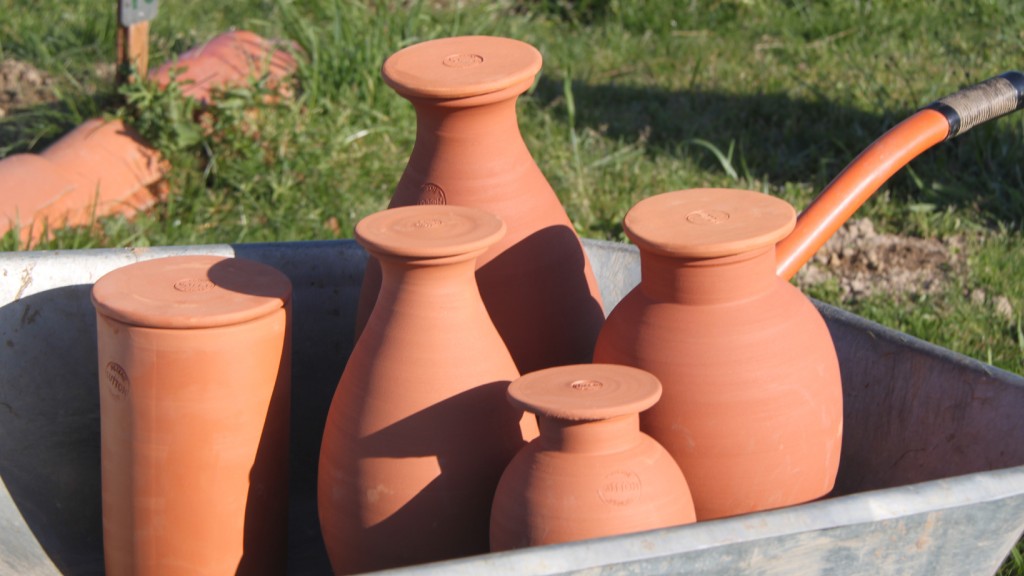
4. Smart irrigation with buried ollas
Buried ollas are perfect for efficient, water-saving irrigation:
- How do you use them? Bury them in the middle of your plants.
- Filling: fill them with water for a slow, steady release.
- The benefit: constant moisture with no wasted water.
Watch out for morning frosts, which can still catch you off guard in March! Remember to mulch around your plants and ollas to retain warmth and moisture.
By following these tips, you'll lay the foundations for a productive vegetable garden and a thriving garden. March is the perfect month to kick off a promising gardening season, full of flavor and natural beauty.