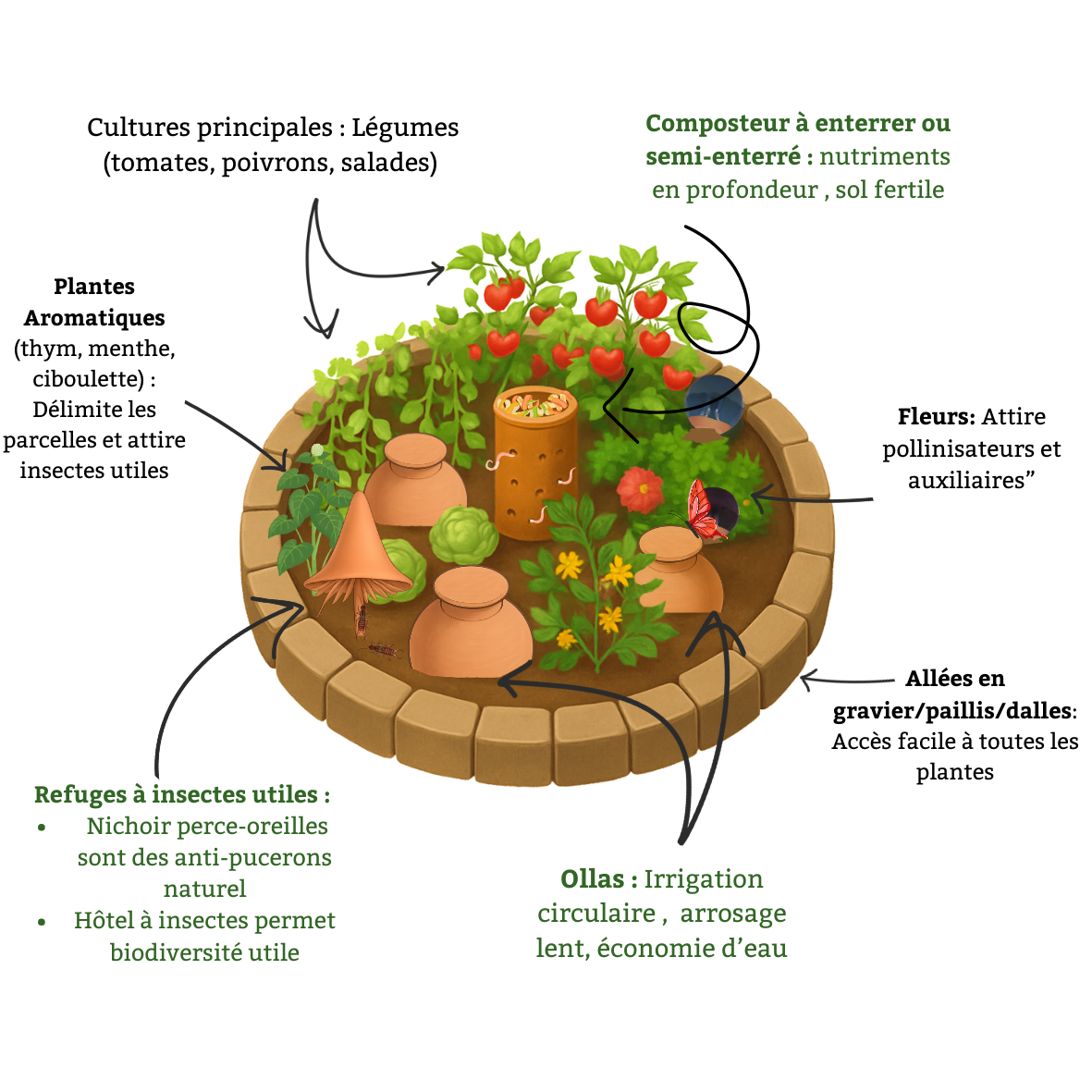


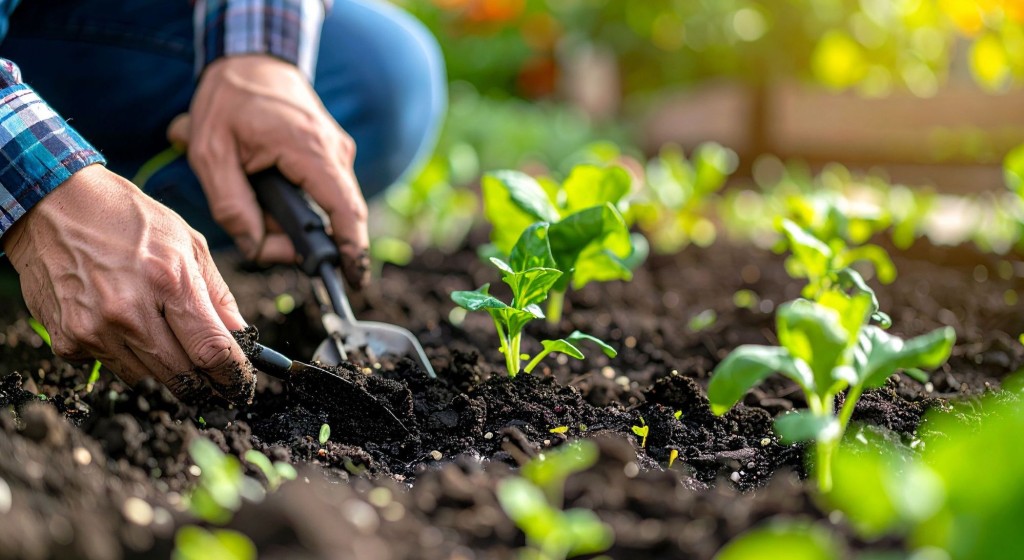
Inspired by natural geometric shapes, the mandala garden turns the vegetable garden into a space that is beautiful, practical and eco-friendly all at once. Laid out in circles around a central point, it makes the most of the available space, encourages biodiversity and makes water easier to manage.
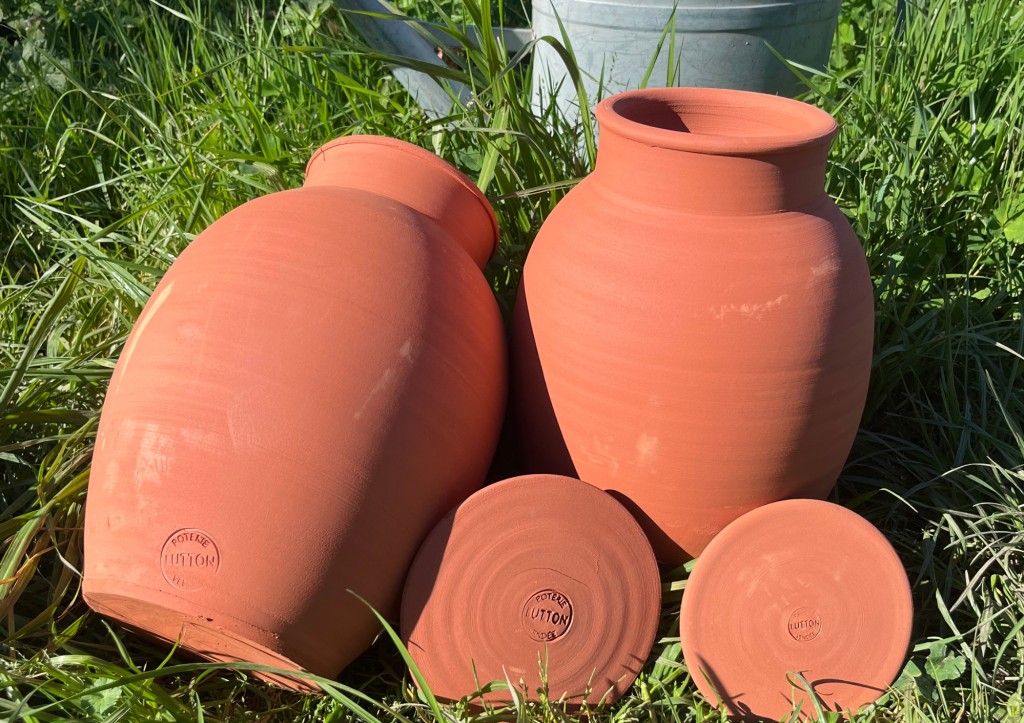
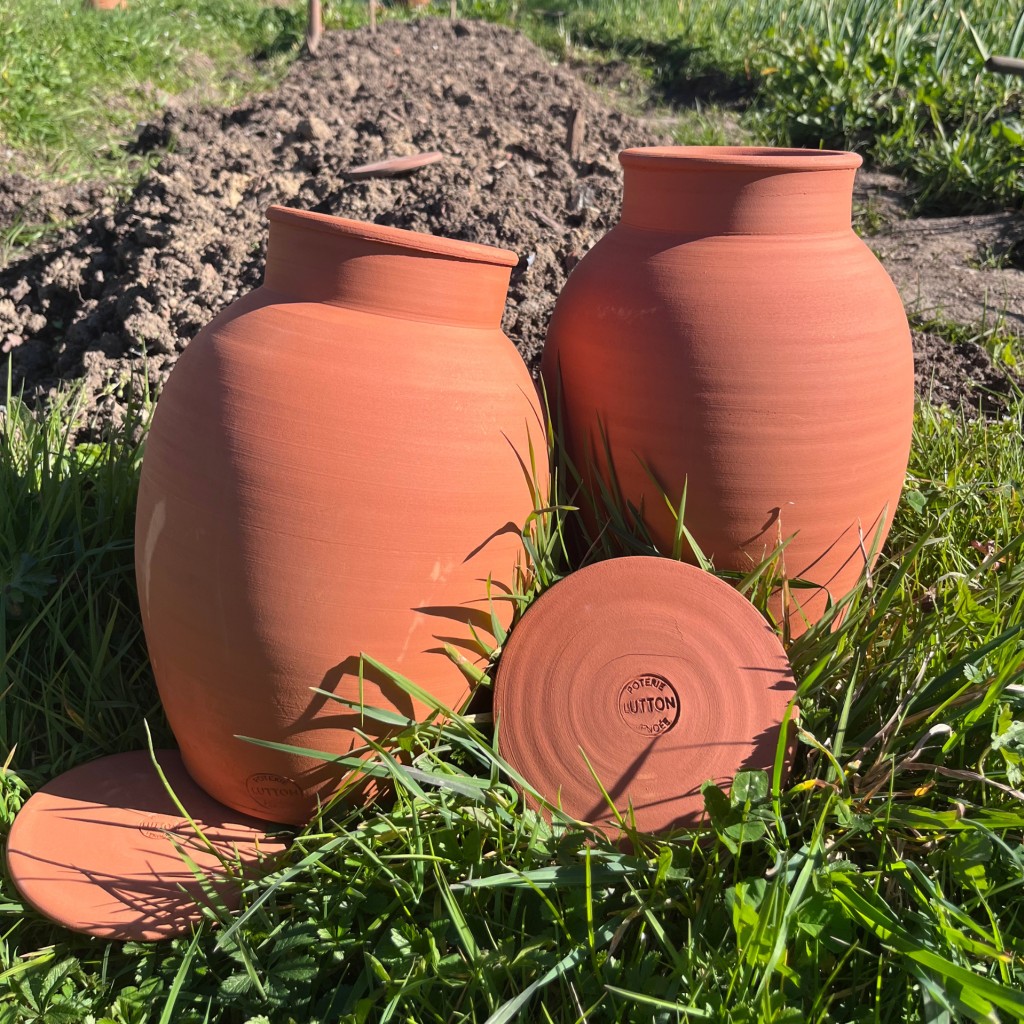
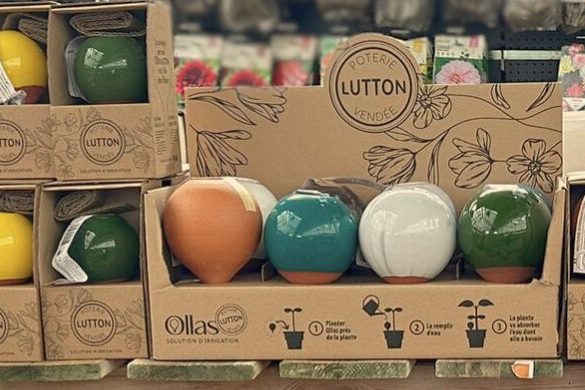
Combined with the terracotta irrigation solutions from Poterie Lutton, this type of garden becomes a sustainable ecosystem, suited to home gardeners and landscaping professionals alike.

What is a mandala garden?
The mandala garden takes its inspiration from mandalas, the traditional circular figures that represent harmony and balance. Applied to gardening, the principle is to arrange crops in concentric circles or in sections radiating out from a central point.
This kind of layout has several advantages:
-
a clear, attractive layout for the vegetable garden
-
easier access to every crop
-
optimal use of the growing space
-
a natural balance between plants
In a mandala garden, vegetables, flowers and herbs are grown together to create a true living ecosystem that encourages biodiversity and naturally keeps pests in check.
Why is the mandala garden so effective?
The mandala garden is not just beautiful: it rests on proven ecological principles and makes the best use of water, soil and biodiversity at the same time.
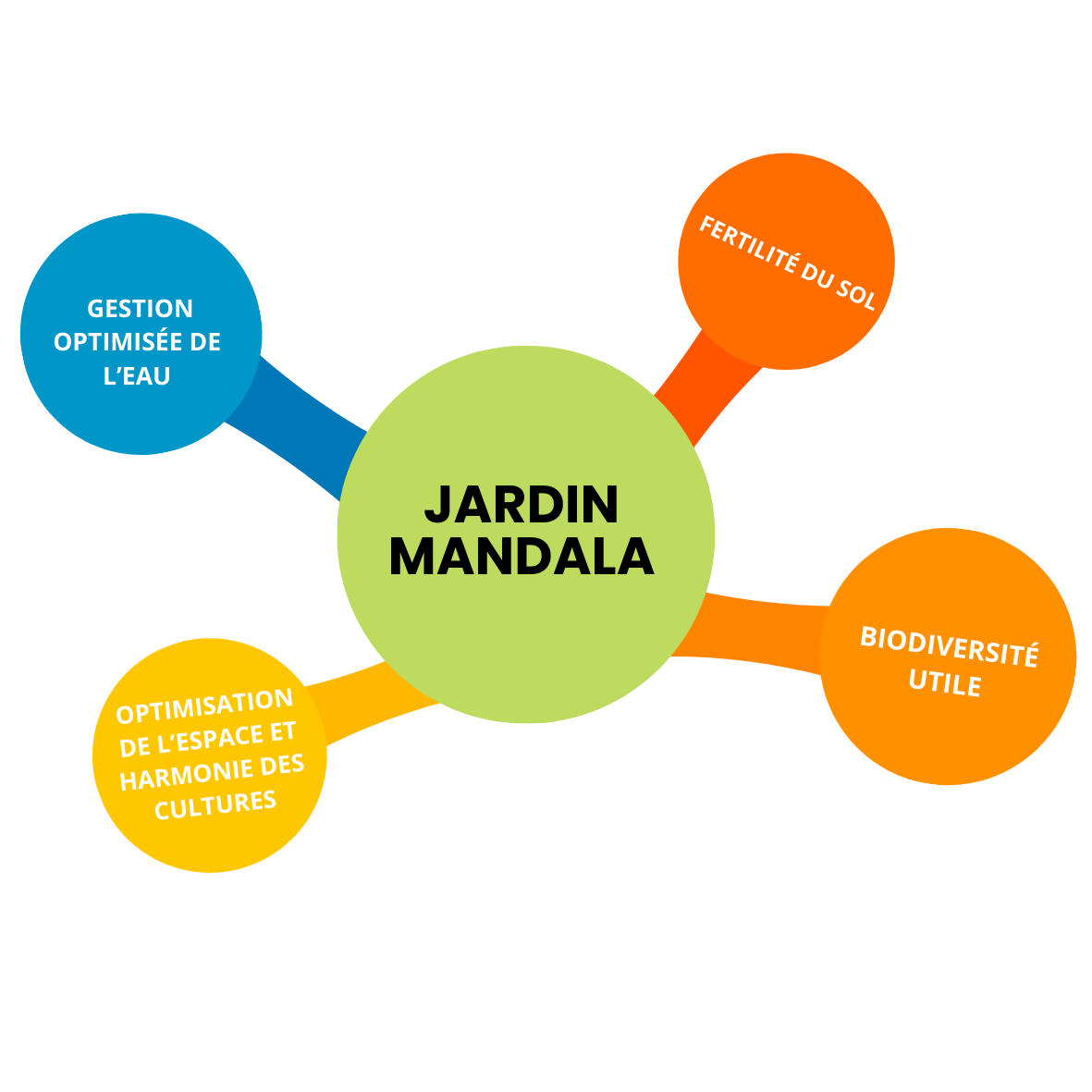
Water management
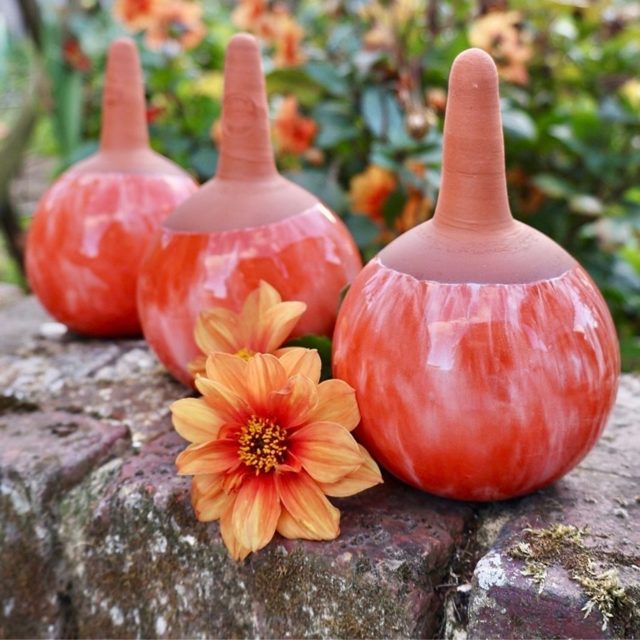
- Terracotta ollas (Poterie Lutton) release water slowly at root level, reducing evaporation and losses.
- Proven benefits: targeted irrigation and water savings of up to 30–50% (source: FAO, Infiltration irrigation techniques).
Soil fertility
- Adding a buried or semi-buried composter gradually enriches the soil, boosts microbial activity and improves soil structure.
- Scientific reference: Journal of Soil Science, 2019 – Compost and soil fertility at depth.
Space optimization and biodiversity
- The concentric layout gives full access to every plant and encourages companion planting. Adding insect shelters (earwig nest box, cocoon, insect hotel) attracts beneficial insects and boosts natural pollination.
-
Sources: Permaculture Research Institute, 2021; INRAE – Biodiversity and biological pest control.
How to create a mandala garden with Poterie Lutton
Turning your vegetable garden into a mandala means combining beauty, productivity and respect for the environment. With Poterie Lutton solutions, your garden becomes harmonious, easy to maintain and optimized for water and biodiversity.
1. Choose and prepare the site
- A sunny, level and accessible spot
- Well-drained soil
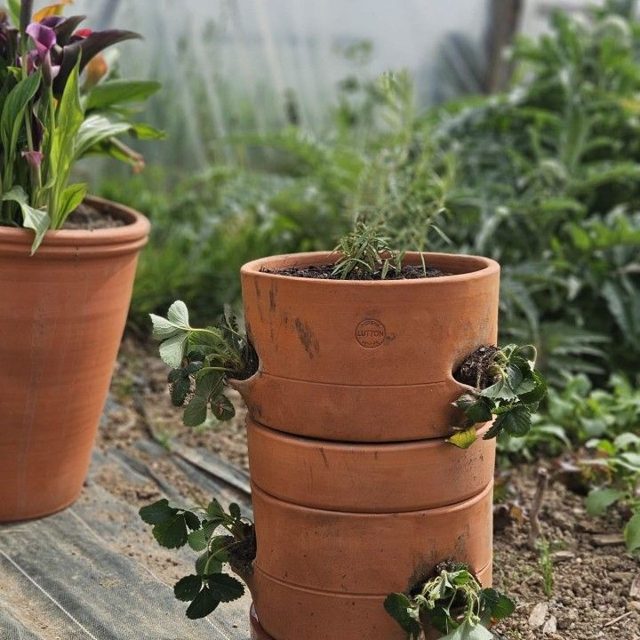
- Add a Poterie Lutton buried or semi-buried composter to enrich the soil
2. Draw the layout
- A central circle, marked out with a stake and string
- Quarters or concentric rings
- Paths of mulch, gravel or paving stones so you can move around easily
3. Install the irrigation
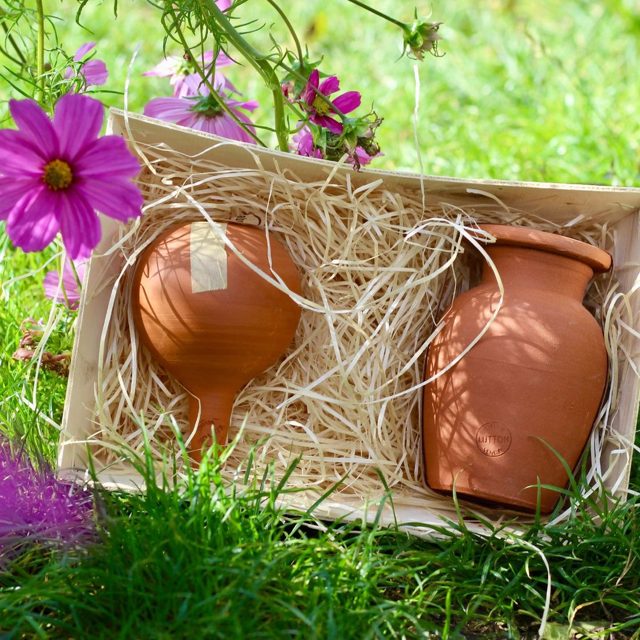
- Buried ollas, in the center or between plantings
- Slow watering by capillary action → constant moisture, less evaporation
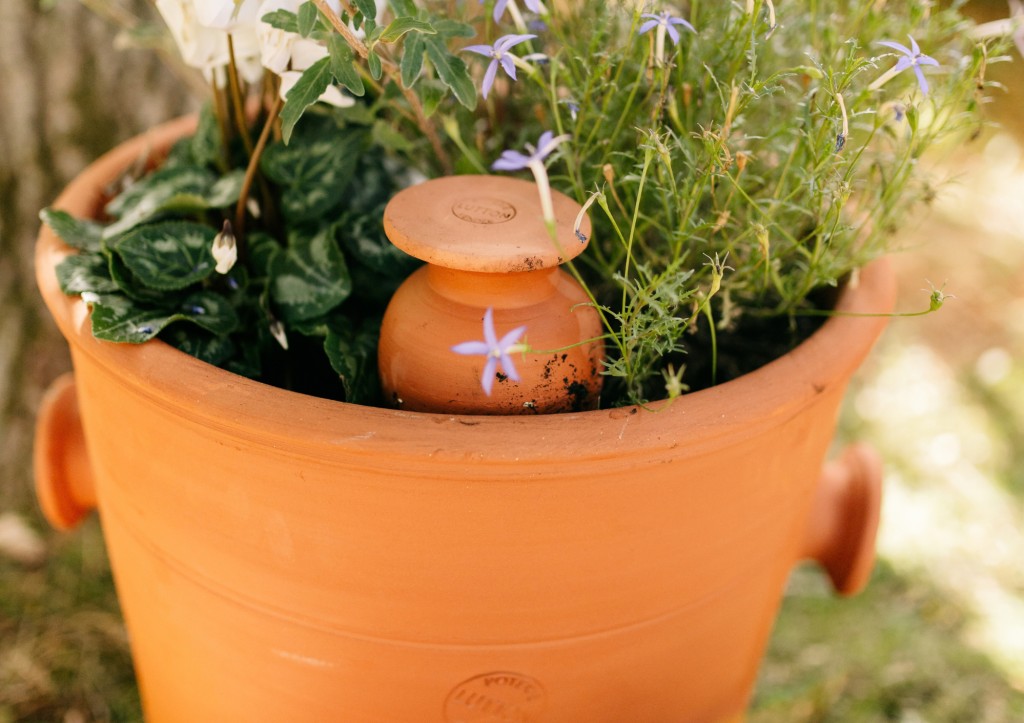
- Spike ollas for flower beds or small plants
4. Plant smartly
- Center: a striking architectural plant + possibly an olla + composter
- Around it: vegetables (tomatoes, bell peppers, lettuces)
- Edge: herbs (thyme, chives, mint) and flowers (calendula, nasturtiums)
5. Encourage biodiversity
- Nest boxes for earwigs or Poterie Lutton cocoons → natural aphid control
- Mini insect hotels → bees and other beneficial insects
- Result: a balanced ecosystem and stronger pollination