
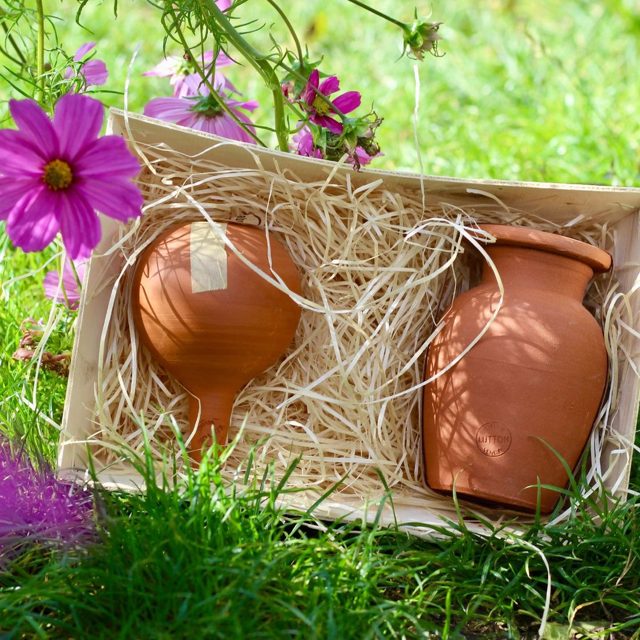
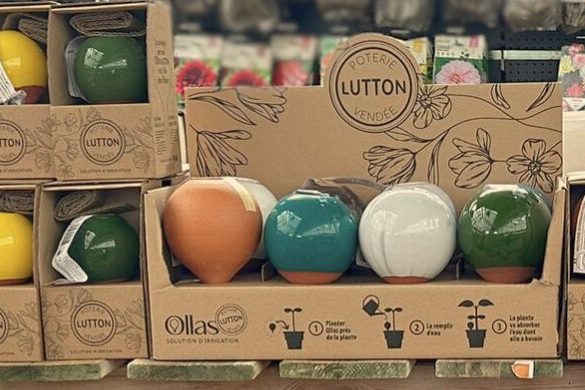

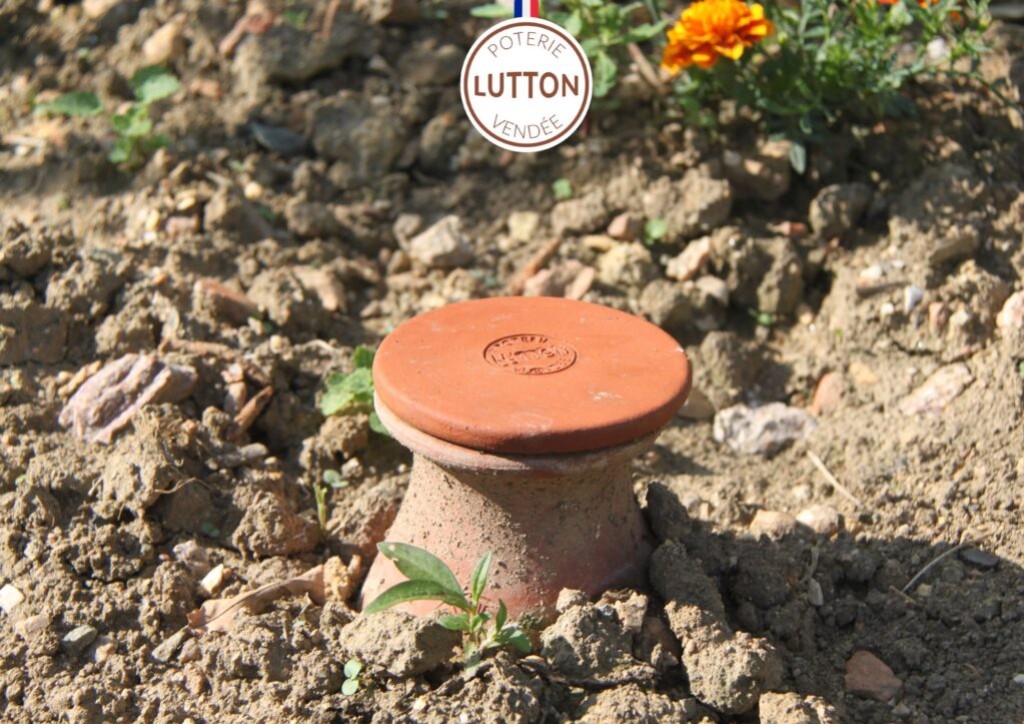
The arrival of the cold season can be a challenge for gardeners who use ollas to water their plants or vegetable garden. Sturdy as they are, ollas are not immune to winter conditions. Here is our information and advice for protecting them effectively.
1. Frost: the enemy of ollas
When temperatures drop below 0°C, an olla can crack or, in extreme cases, burst. This is a particular problem in regions where night frosts are frequent and severe.
2. Exposure to the elements: our advice
Snow, wind and rain can also affect the integrity of ollas in winter. Tough as they are, prolonged exposure to cold can weaken the material. We therefore suggest two solutions. The first is to take the olla out of the ground (as with buried ollas) and bury it again the following spring. You can store it in a dry place, such as a garage or shed. If you cannot remove your ollas from the ground, it is best to cover them with a thick layer of mulch or a frost cloth to protect them from frost. This will help limit their direct exposure to the cold.
By taking these steps, you ensure your ollas last and will find them in perfect condition when spring arrives. Protecting your ollas from the risks of the cold season is essential if you want to keep enjoying the benefits of this natural, economical irrigation technique.