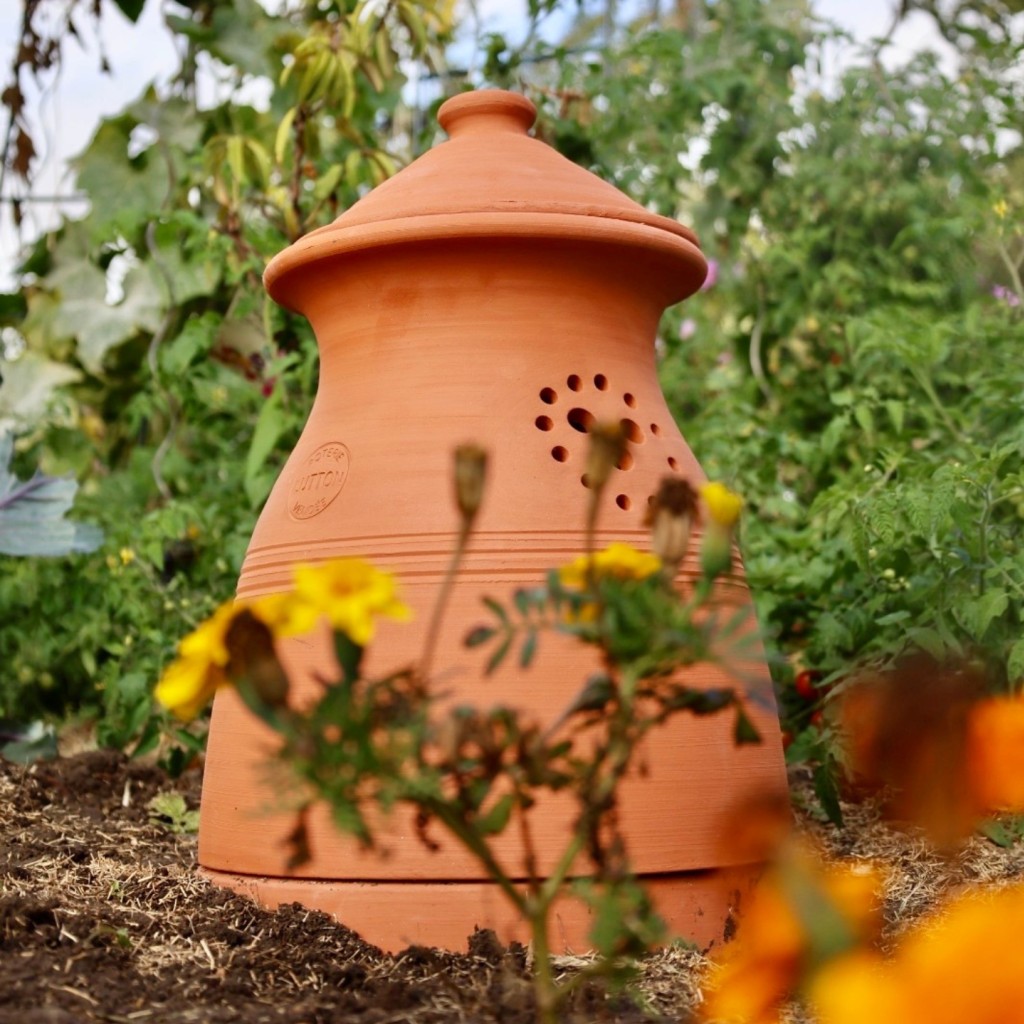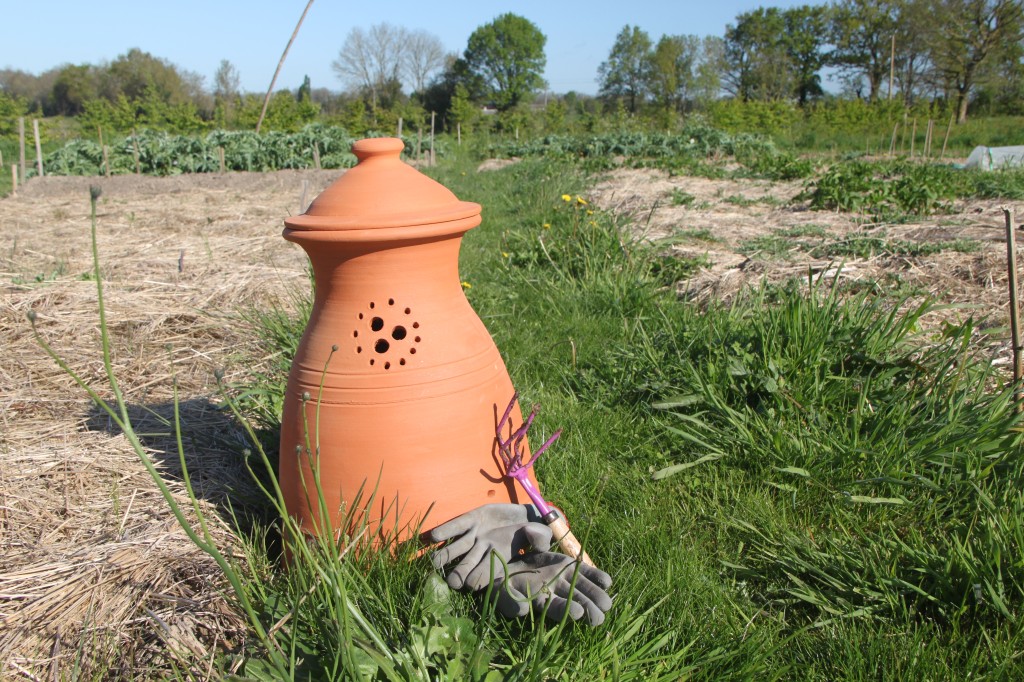

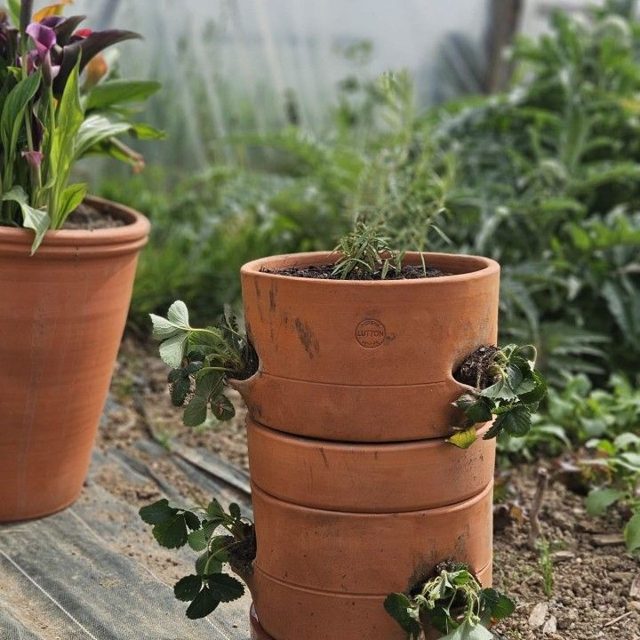
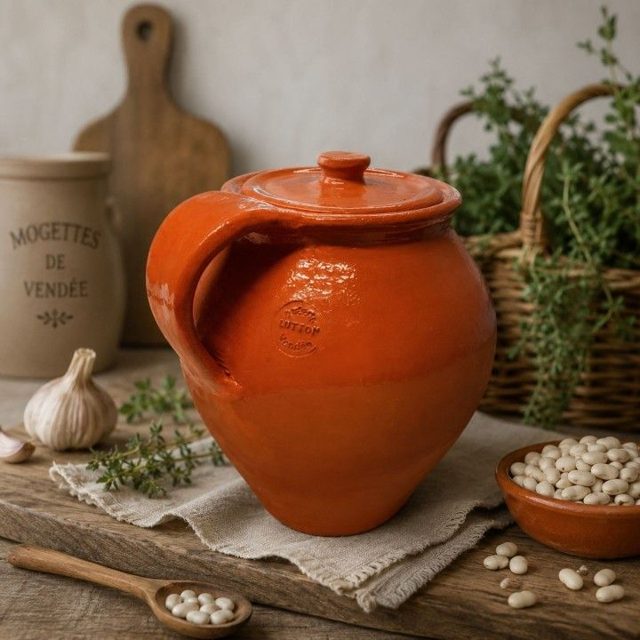
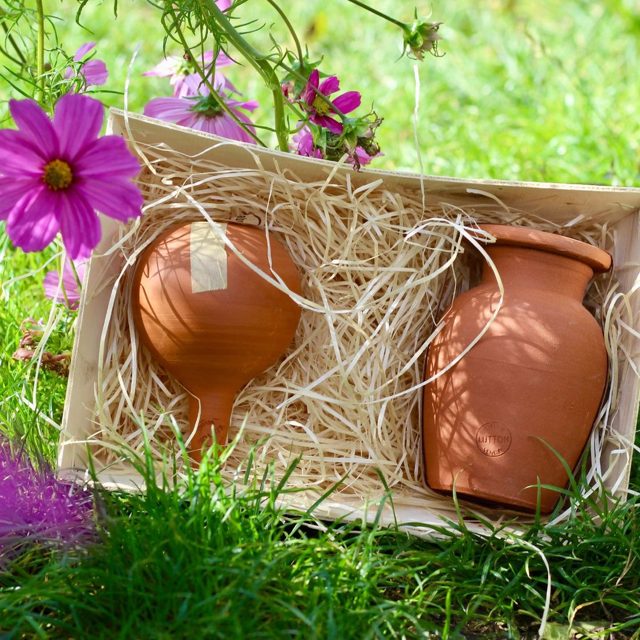
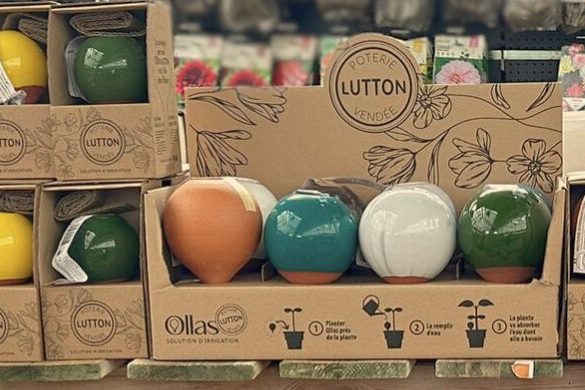

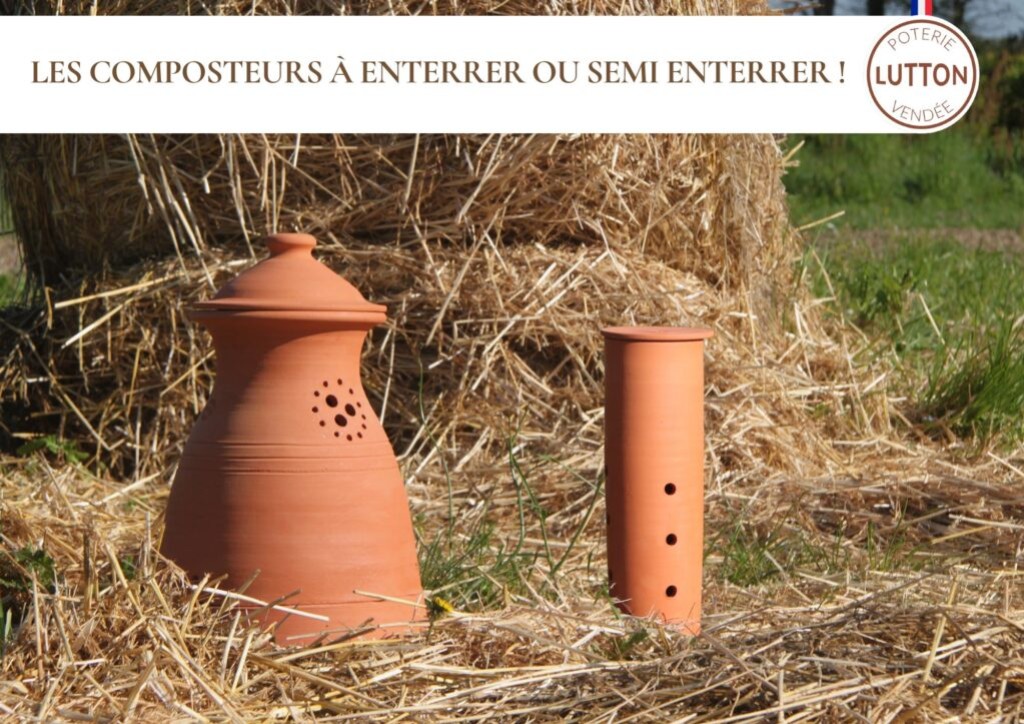
Buried and semi-buried composters are a way of recycling organic waste to feed the soil of your vegetable garden deep down. To do this, we created two products: the Tube Composters and the Pure Garden. Since January 1, 2024, local authorities in France have been required to set up a system for sorting biowaste. However, the solutions put in place are not always suitable and do not necessarily make good use of this green waste. With buried composters, you can create a fertilizer that goes straight back into the soil. The nutrients added to the soil help the surrounding plants grow more easily, for a better harvest.
The fertilizer made by buried composters is good for the soil.
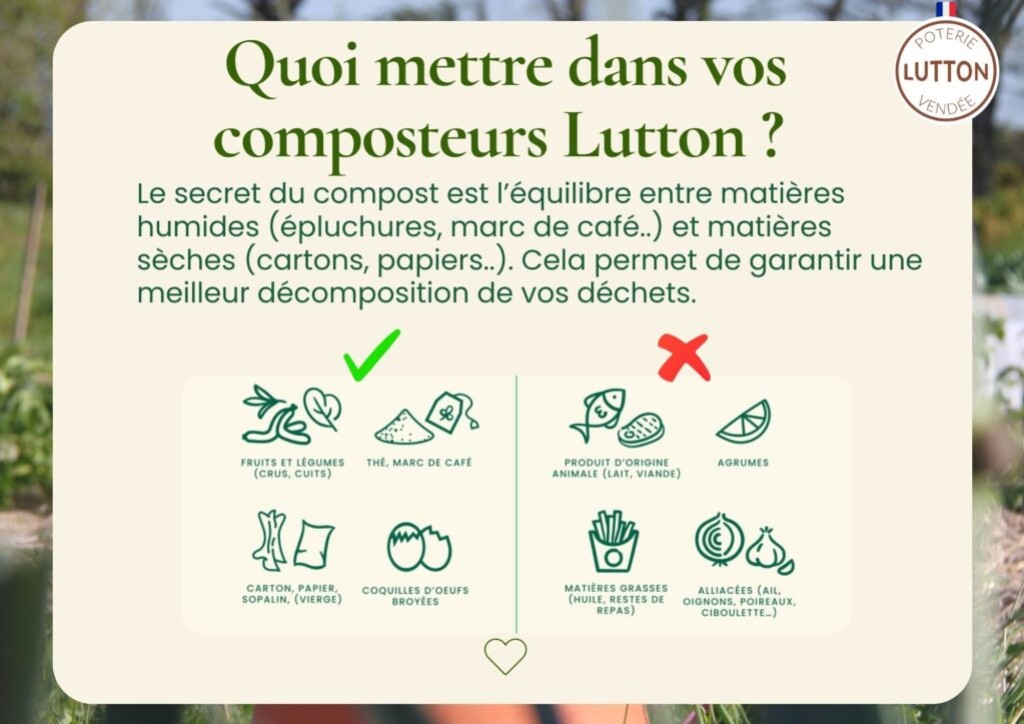
Organic waste is broken down by insects and microorganisms naturally present in the soil. So all you need to do is keep a balance between dry matter (dead leaves) and wet matter for the compost to form gradually in the soil. When you notice the soil texture improving and the plants growing more vigorously, your composter is doing its job. The nutrients from the fertilizer feed the roots of the surrounding plants directly. What's more, burying organic waste improves the compost's aeration. Aeration is essential to the decomposition process, because it allows the microorganisms responsible for decomposition to thrive and work at their best.
Does the composter's location affect how well nearby plants grow?
To choose the perfect spot for your composter, consider its size and its distance from the plants in the same bed. Once you have decided, dig a hole matching the dimensions of the part to be buried, depending on the composter you have chosen. The buried part of the composters is pierced with several holes so that nutrients are released directly into the soil. These nutrients spread through the earth, providing minerals, nitrogen, phosphorus, potassium, magnesium, calcium…
Together, these elements let the plants all around benefit from this rich nutrition. We see better vegetable yields, more foliage growth and larger roots. The composters act as a plant booster.
What are the different advantages of buried or semi-buried composters?
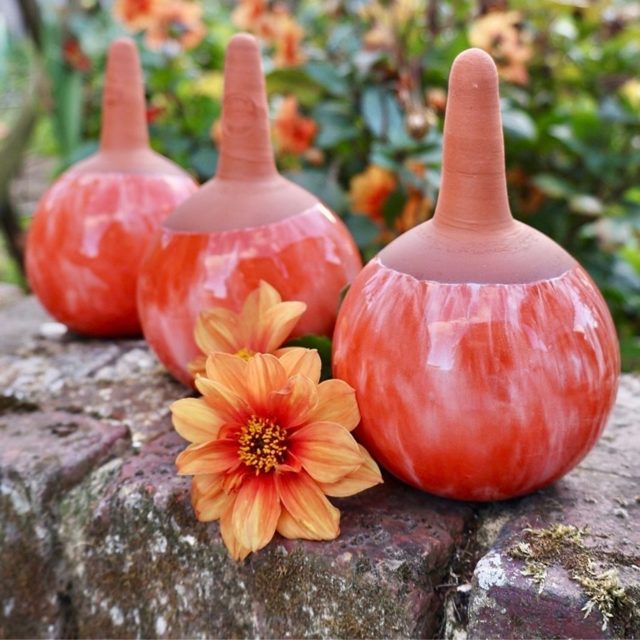
Tube Composters offer many advantages on several levels. First, they greatly reduce odor problems. Since the clay keeps the waste out of the heat, odors do not escape easily. Along the same lines, they are hardly visible, as they can be fully buried. As for the Pure Garden, its attractive shape sets it apart from ordinary composters, making it a decorative feature in your garden. Made of clay, a material that withstands the weather, it blends beautifully into natural spaces. Clay is naturally porous, so it regulates moisture levels and lets the compost breathe. Buried composters aerate the soil by encouraging the development of soil microorganisms. These composters also help protect earthworms from the temperature changes that can occur over the seasons. What's more, unlike conventional composters, they are hard to get into for rodents and other animals looking for food.
In short, if you choose a buried or semi-buried composter, you are choosing a healthier, richer environment for your plants. You will make the most of your biowaste by setting up a decomposition system that works for your plants.